Stopping Wood Rot: High Humidity Solutions for Maine Basements
Fresh Air Ventilation Systems, LLC • August 5, 2026
Moisture in your lower levels is more than just a nuisance that creates musty odors. When left unchecked, excess dampness aggressively breaks down the structural integrity of your home from the ground up. The team at Fresh Air Ventilation Systems, LLC sees this damage firsthand across local properties every single year. Stopping wood rot requires addressing the root cause rather than just treating the surface symptoms.
Many property owners in Portland ignore the early warning signs of elevated moisture levels until costly structural repairs become completely unavoidable. Condensation forming on exposed pipes or a persistent damp feeling in the air indicates your environment is struggling to handle the moisture load. Professional basement dehumidification attacks this issue at the source by mechanically removing excess water vapor from the environment. We are walking through the most common humidity problems, what happens when you try to fix them yourself, and how to properly eliminate the root cause.
What We Cover:
- Identifying Structural Decay from Excess Moisture
- Does high basement humidity cause floor joists to rot?
- Why DIY and Portable Hardware Store Units Make It Worse
- Permanent Fixes for High Moisture Loads
- Secure Your Foundation Against Moisture Damage
Identifying Structural Decay from Excess Moisture
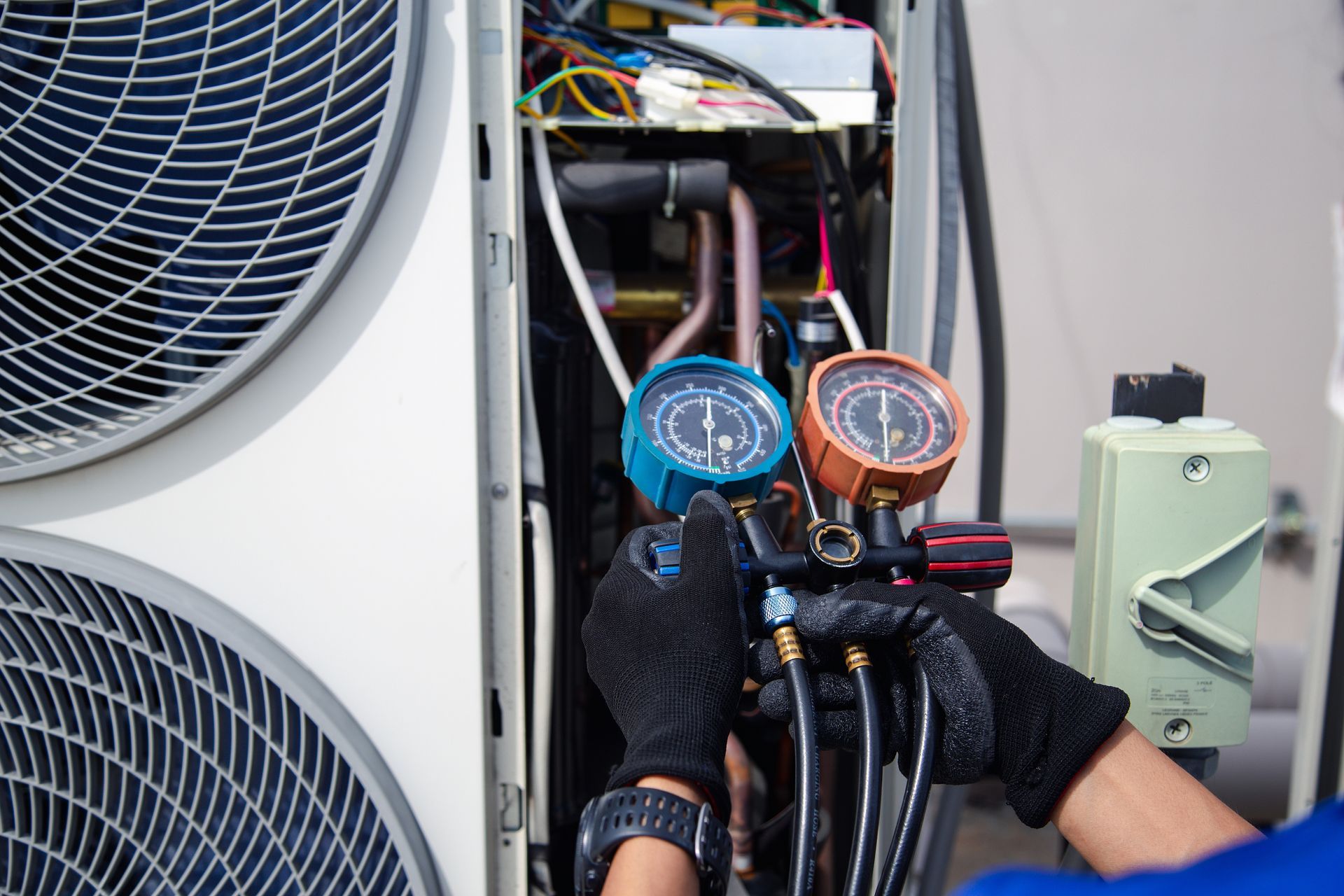
It is easy to overlook the slow progression of structural decay when you only use your basement for basic storage or laundry routines. Wood absorbs ambient water vapor like a sponge, leading to steady swelling and eventual fungal growth along the beams that support your first floor. By the time you notice a slight sagging in the floorboards above, the joists have already sustained significant moisture damage that requires extensive carpentry to repair. The fix starts with accurately assessing the current moisture load through a professional home IAQ evaluation to pinpoint the extent of the dampness. Finding the exact humidity percentage allows technicians to size the extraction equipment precisely for your square footage.
→ From a professional standpoint: Surface level mold is often the first visible symptom of a much deeper structural moisture problem hiding inside the framing.
Does high basement humidity cause floor joists to rot?
We hear this question constantly from property owners dealing with damp lower levels across the state. Yes, high basement humidity causes floor joists to rot by creating the exact conditions wood decay fungi need to thrive in dark, unconditioned spaces. When the relative humidity stays above sixty percent for extended periods, the structural timber reaches a moisture content that actively supports aggressive decay. The damp wood becomes a food source for these organisms, which slowly eat away at the structural fibers until the framing completely fails. Stopping this cycle means installing permanent moisture control systems before the wood loses its load-bearing integrity entirely.
→ A quick tip to remember: Keeping your basement humidity consistently below fifty percent is the most effective way to protect exposed structural timber from fungal growth.
Why DIY and Portable Hardware Store Units Make It Worse
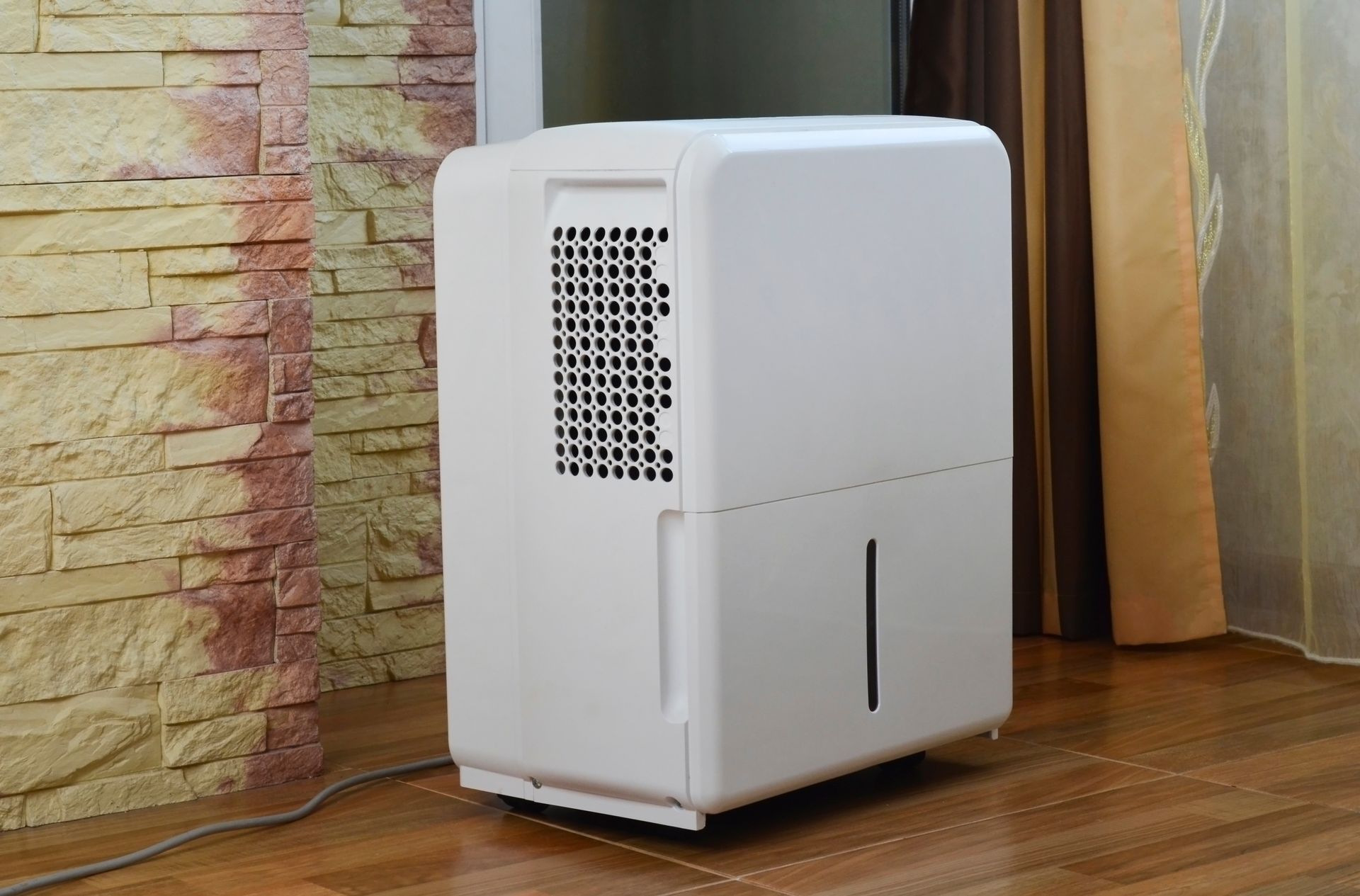
Many homeowners attempt to solve persistent dampness by running a small portable unit purchased from a local big box store. These systems simply lack the extraction capacity and dedicated airflow needed to handle the heavy moisture load of a subterranean space. The collection buckets fill up rapidly, causing the unit to shut off right when you need it working the most during heavy rainstorms. This DIY approach gives you a false sense of security while the structural decay continues uninterrupted behind the walls and inside the tight crawlspaces. Furthermore, the heat generated by an overworked portable unit can actually accelerate mold growth in the surrounding stagnant air.
→ From a professional standpoint: Undersized equipment pulls moisture from the immediate few feet but leaves the outer edges of the room completely untreated and vulnerable.
Permanent Fixes for High Moisture Loads
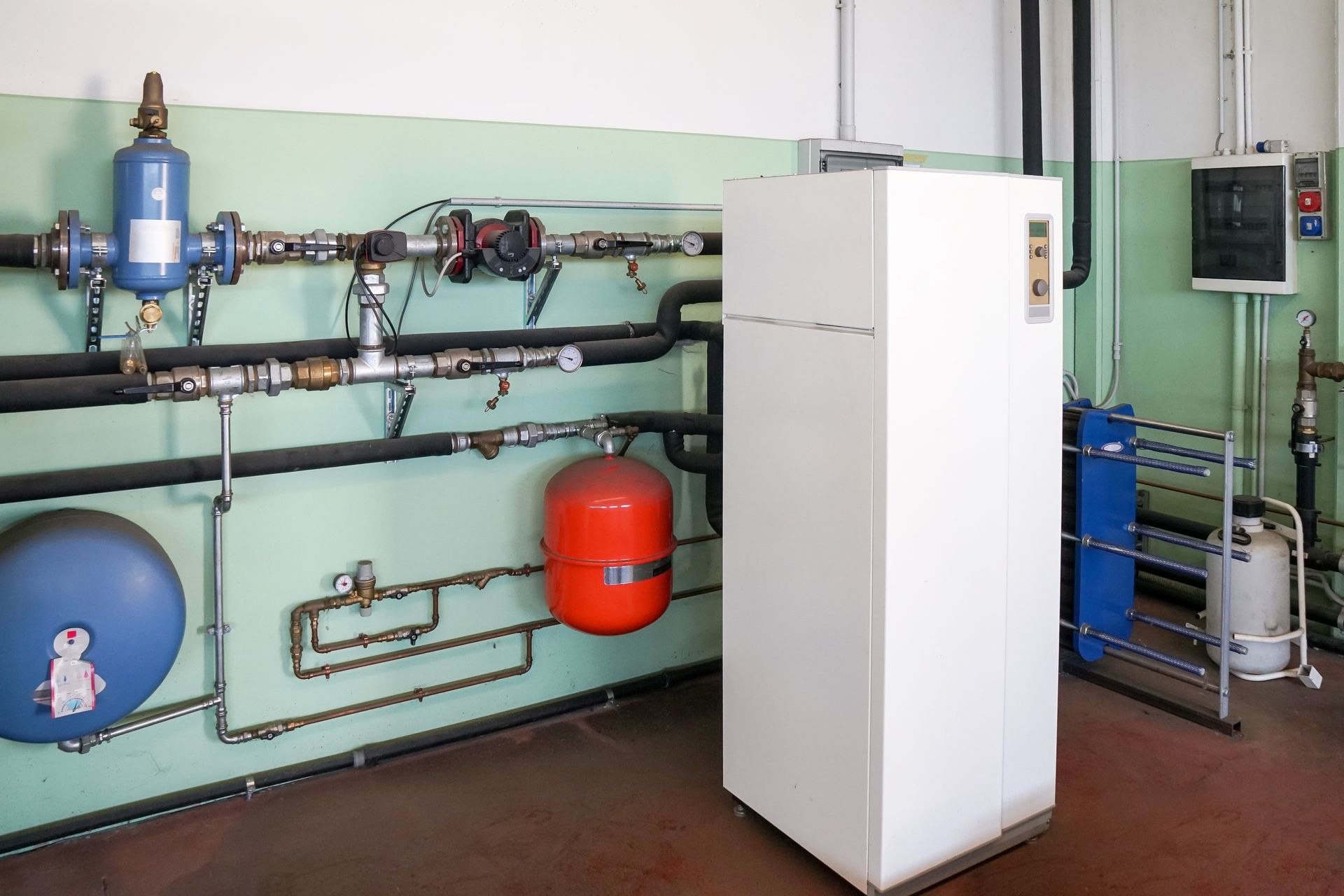
Protecting your property requires equipment designed specifically for heavy duty moisture extraction that operates without manual intervention. A whole house dehumidifier or a dedicated heavy duty basement unit operates continuously and drains automatically into your existing plumbing network. These professional grade systems connect directly to your drain lines, eliminating the need to empty buckets or monitor the machine constantly throughout the week. Investing in industrial capacity extraction is the only reliable method for halting structural decay and preserving your home over the long term. Proper ducting can even be attached to these units to pull damp air from isolated corners, creating a unified and balanced air pressure system.
→ A quick tip to remember: Proper ducting allows a single high capacity unit to pull damp air from multiple corners of a large basement simultaneously.
Secure Your Foundation Against Moisture Damage
Upgrading your extraction equipment is the most decisive step you can take to stop ongoing decay in its tracks. Controlling the moisture load not only protects your structural framing but also significantly improves the overall air quality throughout your upper living spaces. Our crew handles customized ventilation solutions and heavy duty extraction systems designed for local building conditions. Reach out to our team today to get the right equipment installed before the structural damage spreads any further into your framing.
Share This Blog