Dry Winter Air vs. Health: Ventilation and Humidity Balancing 101
Fresh Air Ventilation Systems, LLC • January 21, 2026
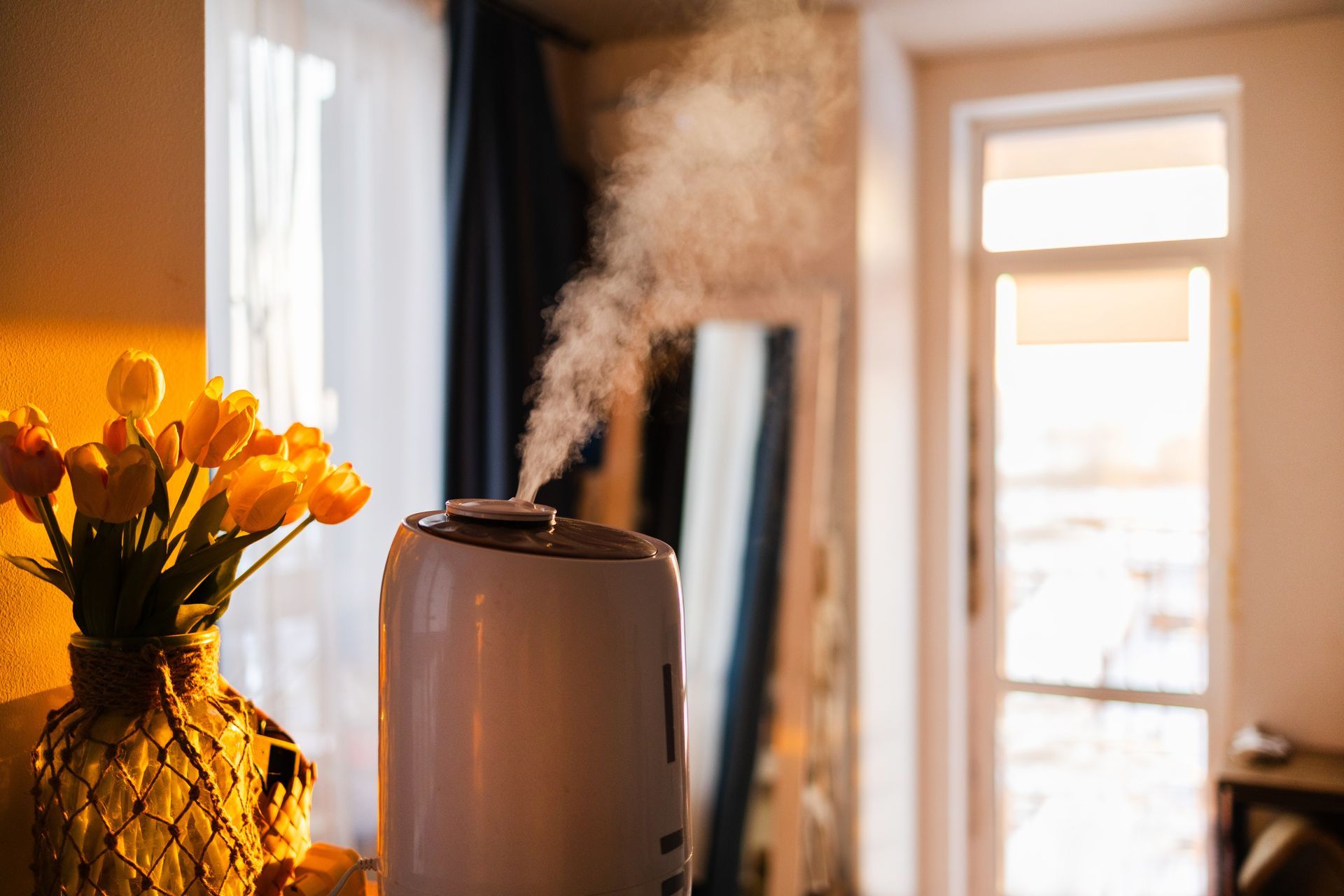
January in Maine means crackling wood stoves, sealed-up homes, and—too often—dry, irritating indoor air. If you’re in Gray, Portland, Freeport, or anywhere from Lewiston/Auburn to Bar Harbor and Bangor, you’ve probably felt the effects: scratchy throats, static shocks, dry skin, and creaky hardwood. The good news? With the right ventilation and humidity strategy, you can protect your health and your home all winter long.
Why Maine Homes Feel So Dry in Winter
When temperatures drop, cold outdoor air holds less moisture. Once that air is heated indoors, relative humidity plummets. Add in longer furnace runtime, tight building envelopes, and closed windows, and your indoor air can quickly become desert-dry. At the same time, basements, crawlspaces, and coastal zones (hello, Brunswick and York) may stay damp. The result: a house that’s too dry upstairs and too humid down below. That imbalance stresses your respiratory system and your home’s finishes.
What should indoor humidity be in winter?
Aim for 30–40% relative humidity for most Maine homes in winter. That range helps your nose, throat, and skin stay comfortable while keeping condensation off windows and reducing mold risks. During extreme cold snaps in places like Rangeley or Skowhegan, you may need to run slightly lower (around 30%) to prevent window fogging and ice. Not sure where you stand? A quick Indoor Air Quality (IAQ) test can verify humidity, particulates, and more.
Ventilation: The Missing Link Between Comfort and Health
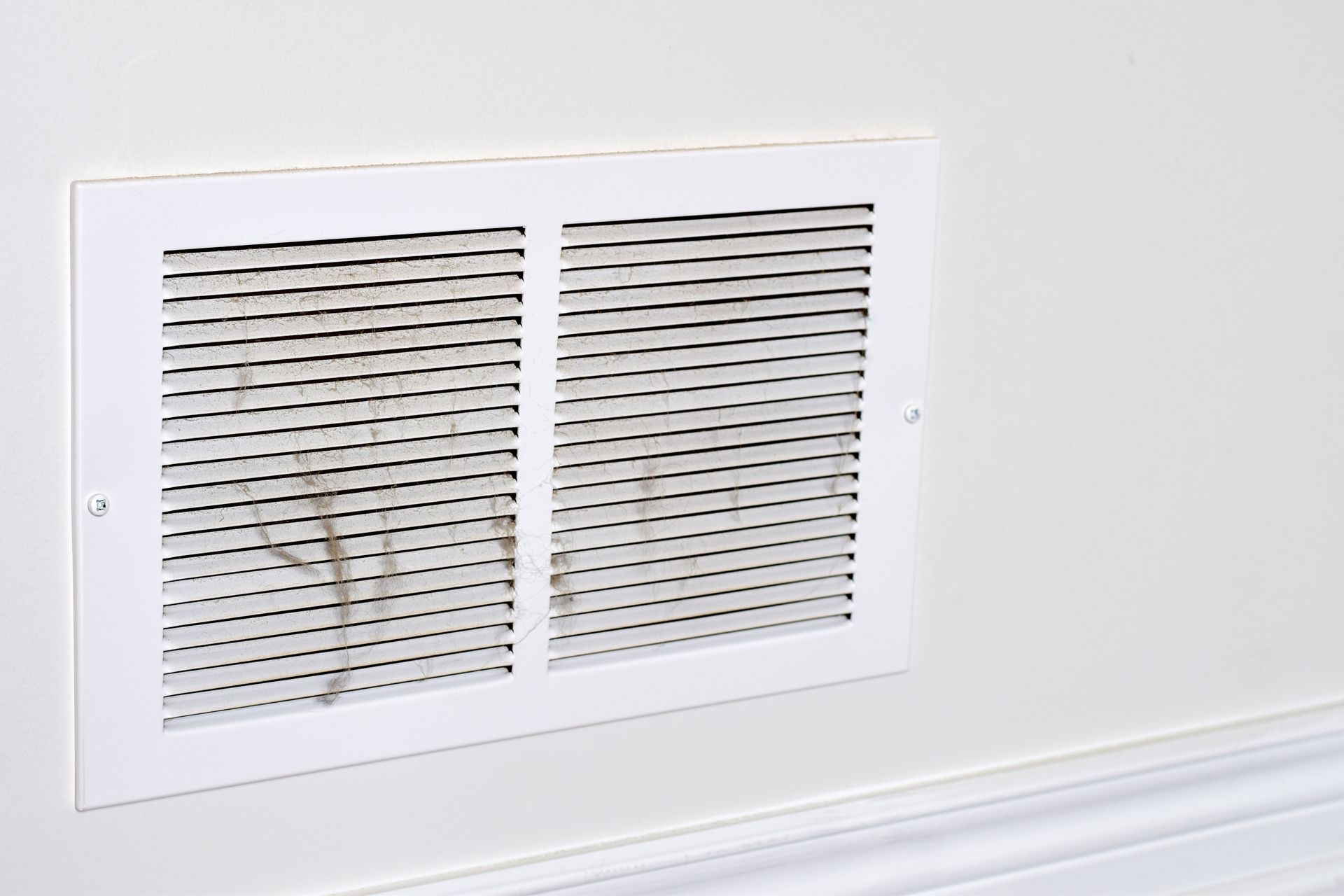
Ventilation isn’t just for summer airflow—it’s essential in January. A properly designed heat recovery ventilator (HRV) or energy recovery ventilator (ERV) brings in fresh outdoor air while capturing heat from stale indoor air, keeping energy bills in check. That steady exchange:
- Reduces irritants like dust, VOCs, and viruses
- Helps balance humidity room to room
- Protects wood floors, musical instruments, and furniture
- Supports healthier sleep and clearer sinuses
In coastal areas such as Bar Harbor or Rockland, an ERV may help moderate moisture transfer. Inland or colder locations like Bangor or the Lakes Region often benefit from HRVs that excel in dry, cold conditions. Fresh Air Ventilation Systems can evaluate your home and recommend the right solution for your layout and local climate.
When Dry Meets Damp: Why Dehumidification Still Matters in Winter
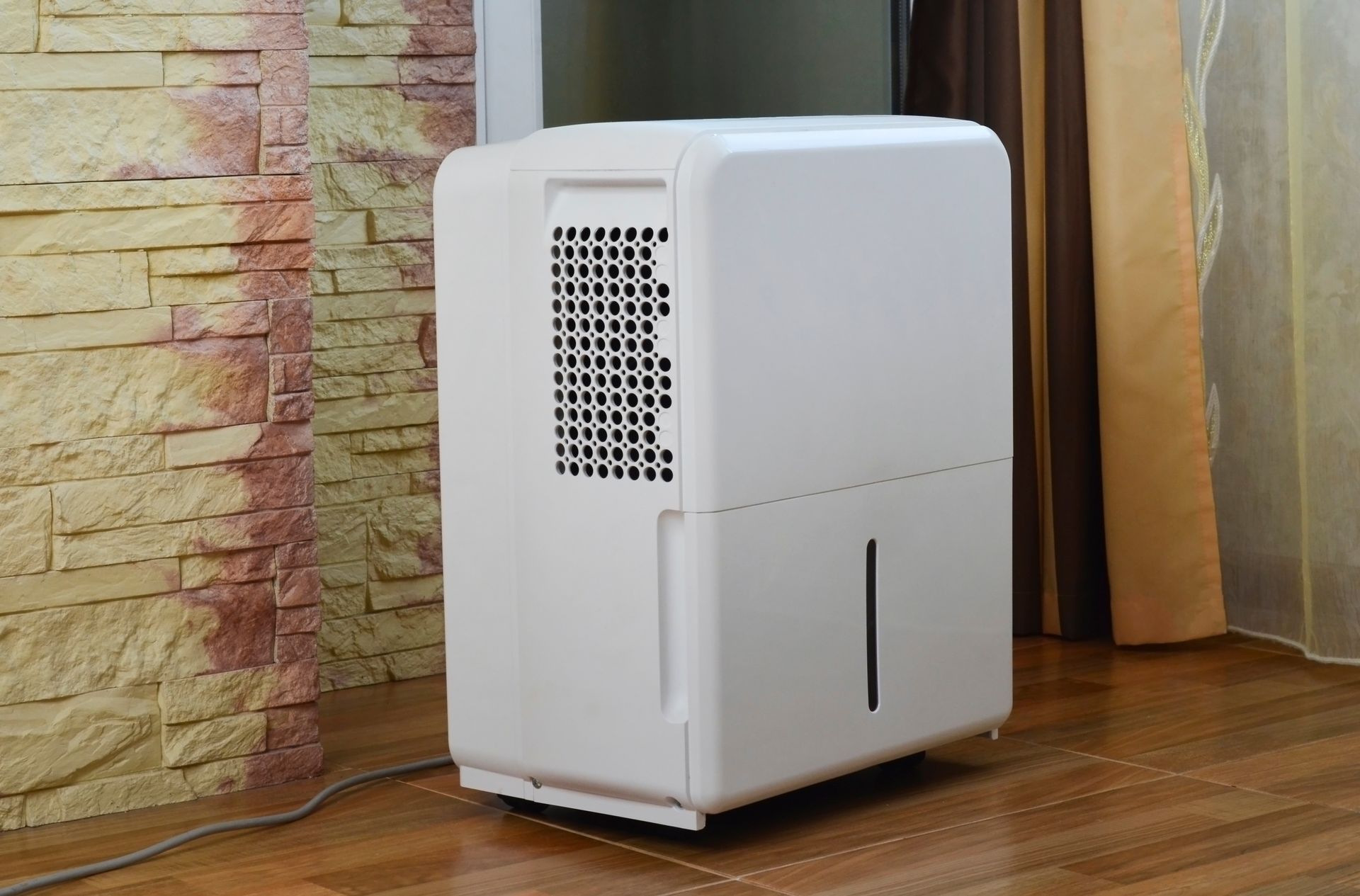
Even when the main living areas feel parched, basements and garages can trap moisture. That damp air climbs into your living space, making comfort and humidity balance harder. Whole-house or targeted dehumidification keeps those lower levels in check, protecting against mold and mildew while allowing you to maintain a healthier 30–40% upstairs. This is especially useful in older homes around Portland and Freeport that have mixed foundations, or homes near open water from Brunswick to York.
Quick Signs Your Humidity Is Off
Too dry?
- Chapped lips, nosebleeds, persistent static
- Cracking or separating wood floors
- Itchy eyes, irritated sinuses
Too humid?
- Window condensation or fogging
- Musty odors, especially in basements
- Visible mold on cold corners or behind furniture
Simple Steps You Can Take This Month
Monitor: Use a few hygrometers on different floors—especially the basement.
Ventilate: Consider HRV/ERV installation or maintenance; replace filters per schedule.
Seal and balance: Fix attic bypasses and weatherstripping to reduce stack-effect drafts.
Dehumidify: Run basement units even in winter if readings stay above 45–50%.
Spot-vent: Use bath and kitchen fans that vent outside; run 20 minutes after use.
Verify: Schedule Indoor Air Quality Testing to pinpoint humidity, allergens, and pollutants.
Local Insight, Local Service
Maine building codes increasingly emphasize mechanical ventilation because it’s key to health and durability. Whether you’re in Gray, ME, or nearby communities—Portland, Freeport, Lewiston/Auburn, Brunswick, Bangor, Bar Harbor, Skowhegan, Rangeley, York, and across New Hampshire—our team designs ventilation and dehumidification plans tailored to our climate and your home’s construction.
Breathe Better This Winter
Don’t let dry winter air derail your comfort or health. Fresh Air Ventilation Systems, LLC provides:
- Ventilation design, installation, and maintenance
- Whole-house and targeted dehumidification
- Indoor Air Quality Testing to guide smart decisions
Schedule your January assessment today, and start the new year with cleaner, healthier air. Visit freshairventilation.net to book your consultation.
Share This Blog